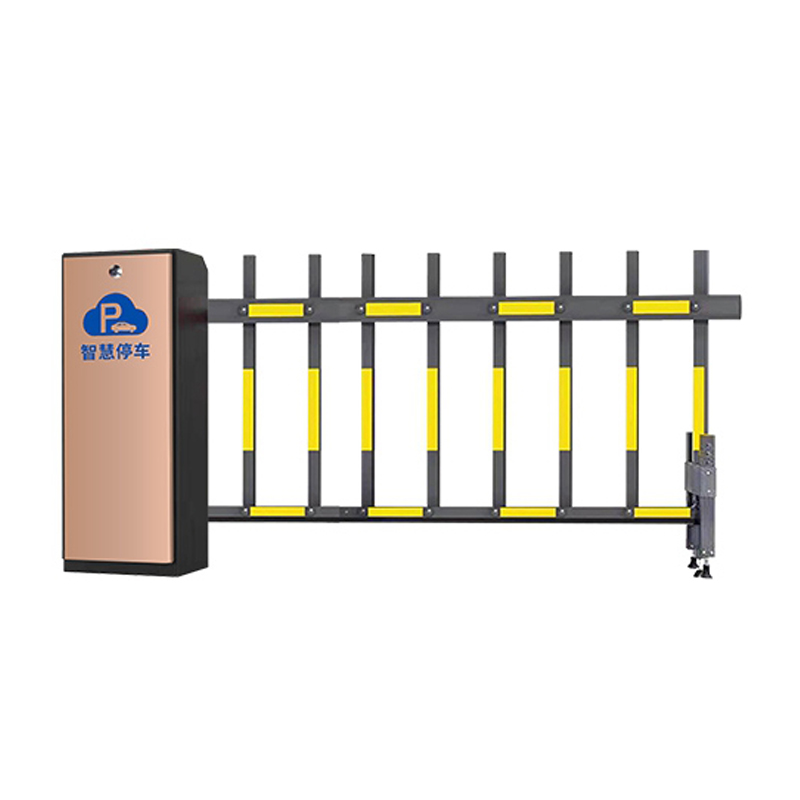
Barrier gates can be operated manually, where an attendant raises or lowers the arm, or automatically, using various mechanisms such as hydraulic, electromechanical, or pneumatic systems. Automatic barrier gates are often integrated with access control systems, such as key cards, RFID tags, or license plate recognition, to provide secure and efficient access management.
The main purpose of a barrier gate is to regulate the entry and exit of vehicles or pedestrians, ensuring that only authorized individuals are granted access. They help maintain security, prevent unauthorized entry, and manage traffic flow. Barrier gates are also used to enforce parking regulations, collect tolls, and facilitate smooth operations in areas with high vehicle or pedestrian traffic.
In addition to their functional benefits, barrier gates can also serve as a visible deterrent, discouraging unauthorized access and promoting a sense of security. They are available in various sizes, designs, and materials to suit different applications and aesthetic preferences.
Overall, barrier gates play a crucial role in controlling access and ensuring the safety and security of various locations, making them an essential component of modern infrastructure.